Let’s be honest: Mount Rinjani is a masterpiece of nature, but it is also a challenging, high altitude mountain walk. You cannot just wing this climb. To ensure you have an epic, safe, and meaningful journey, here is everything you need to know before hitting the trail, from safety warnings to our local community philosophy.
1. Safety & Mountain Hazards: Respect the Elements
The weather on Rinjani can change in a heartbeat. When the weather is settled, the sun is incredibly intense during the day, while the nights turn frosty. However, Rinjani can also attract severe storms, sudden lightning, and ferocious winds.
Hypothermia Risk: Parts of the trail are incredibly steep and slippery. Getting caught in the wet and cold poses a real risk of exposure and hypothermia. Packing high quality, warm, and windproof clothing is non negotiable.
Electrical Storms: If you are caught in a lightning storm, immediately take shelter and avoid prominent, exposed ridges.
Flora & Fauna: Keep an eye out for stinging insects and irritating plants. If you are trekking during the shoulder or wet season, leeches can also be a bit of a nuisance.
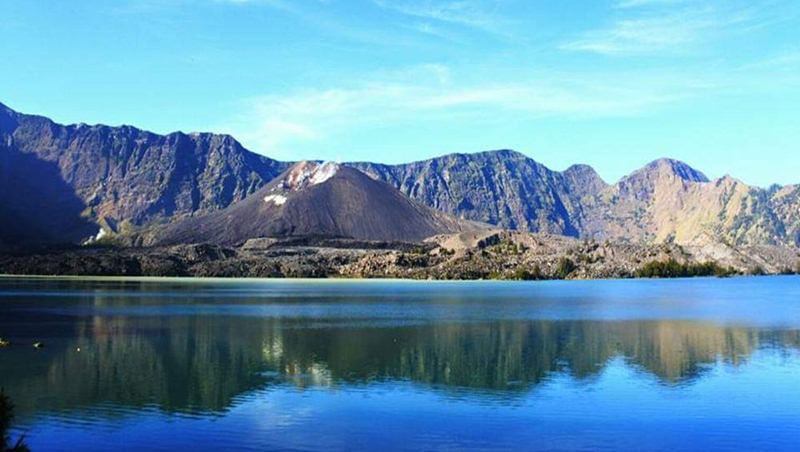
Volcanic Safety: While Mount Rinjani itself has no recorded eruptions in modern history, Mount Baru (2,351m) the cone sitting right inside the crater lake, is highly active. Its last dramatic eruption was in 1994. Always check the park notice boards for recent hazards and strictly follow the advice of park staff and your guides.
2. Logistics: Water, Park Fees, and Signal
Fresh Spring Water
Freshwater springs are scattered along the trek, and they ultimately dictate where we set up camp. Your guide knows exactly where these are. Keep in mind that during the drier months (July to September), some of these springs completely dry up. Park rangers and our guiding team constantly monitor these water sources to check their abundance before setting off.
Park Fees & Conservation
Every climber must pay a park entry fee (currently Rp60,000 per person/entry for domestic licensing, though international fees vary via e-Rinjani). These fees are paid at the Rinjani Trek Center and contribute directly to the protection, trail maintenance, and management of the national park, visitor facilities, and village attractions.
Staying Connected (Phones & Radios)
Cell phone coverage (GSM) is surprisingly available across most areas of Mount Rinjani National Park, and most guides carry their own mobile phones. However, coverage depends heavily on your provider, as not all cellular operators work up there.
Safety First: For absolute peace of mind, our trek programs are fully equipped with two way radio communication. For groups of 6 or more, we step things up by providing a dedicated dining tent, emergency lamps, a trek leader, rangers, and coordination with the Search and Rescue (SAR) team if necessary.
3. Our Philosophy: Responsible Travel & Giving Back
We don’t view adventure as just a rugged test of survival. To us, every trip is a voyage of discovery. We deal largely in ecotourism and adventure travel, meaning our guiding philosophy is to keep every single trip environmentally friendly and sustainable.
Empowering the Local Community
We exclusively hire professional mountain guides and porters from the nearest villages surrounding Rinjani National Park. Every single one of them has passed rigorous guiding and handling tests and holds a valid, official guide license.
By booking with us, you are directly supporting the local community. To take it a step further, 5% of our net income is donated directly to support education for poor children living in isolated villages around Lombok.
Our Eco Tourism Checklist:
Our young, energetic team is fanatical about keeping the natural and cultural environments intact. When you travel with us, we commit to:
Learning from nature and local cultures.
Minimizing our footprint on the natural and cultural environments.
Giving back directly to the indigenous people to support self-determination.
Promoting sustainable tourism while making sure everybody has fun!
How We Do It
We trek, cook, camp, and guide with extreme care and attention to detail. While we use mechanized transport when we need to cover long distances in a limited time, we prefer using local modes of transportation as much as possible. This minimizes environmental impact, maximizes your exposure to local lifestyles, and lets you connect genuinely with the indigenous people of Lombok.
Ready to Begin Your Voyage of Discovery?
Trekking Rinjani is a demanding physical feat, but with the right gear, a responsible mindset, and an experienced local team by your side, it will be the trip of a lifetime.
Got questions about our safety gear or how our porter system works? Drop a comment below or get in touch with our team in Senaru today!