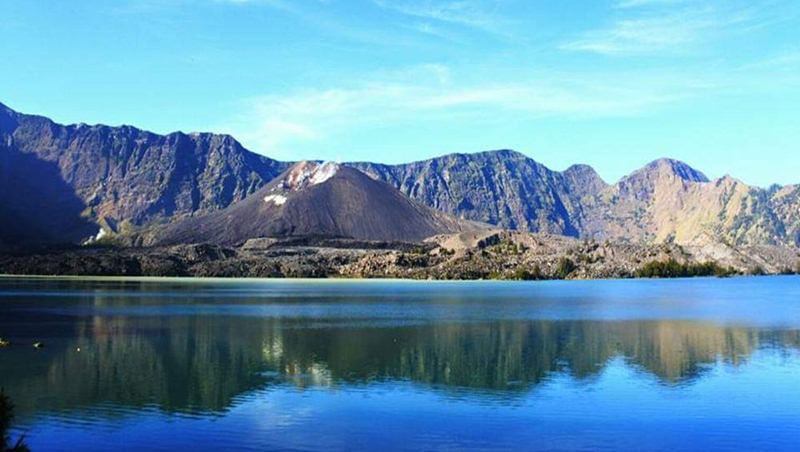
Mount Rinjani, standing tall at 3,726 meters above sea level, is the crown jewel of Lombok Island and one of Indonesia’s most iconic volcanic peaks. Offering magical views of the Segara Anak crater lake and an otherworldly sea of clouds, trekking Rinjani is a bucket list dream for adventurers worldwide.
But let’s be real, conquering Rinjani isn’t a walk in the park. It requires solid preparation. This Rinjani Trekking Guide covers everything you need to know, from choosing your route and estimating costs to finding the best local guides who genuinely care about the planet.
Why Should You Trek Mount Rinjani?
Besides being the second highest volcano in Indonesia, Rinjani serves up a mind blowing mix of natural beauty and spiritual vibes:
The 3,726m Summit: The ultimate spot to catch a sunrise, with Bali’s Mount Agung and Sumbawa’s Mount Tambora piercing through the horizon.
Segara Anak Lake: A massive, brilliant blue volcanic lake inside the caldera, complete with natural hot springs to soak your sore muscles.
A Sacred Cultural Icon: For the local Sasak community, Rinjani is a sacred place used for meditation, spiritual retreats, and traditional ceremonies.
Meet the Local Porters & Guides: The Ultimate Trail Masters
The secret to a safe, successful, and fun Rinjani climb lies in your crew. Most of the professional porters and trekking guides come from Senaru and Sembalun Village.
The locals from Senaru, for example, share a deep spiritual bond with the mountain. They’ve been hiking up into the Rinjani highlands for generations for meditation and rituals. Because of this, they have incredible navigation skills, an intuitive understanding of mountain weather, and a level of professionalism that makes you feel totally safe. More and more travelers are choosing guides directly from these villages to get the real, authentic experience.
Eco Tourism Philosophy: Exploring Without Leaving a Trace
Trekking Rinjani is more than just bagging a peak, it’s a true voyage of discovery. We believe that epic adventures shouldn’t come at the cost of the environment. True eco tourism means keeping things sustainable, low impact, and respectful.
Our Team’s Green Commitment:
Planet Over Profits: Protecting the trail is our top priority. Our team of young, energetic guides and porters are fanatical about keeping the mountain clean, ensuring absolutely no trash is left behind.
Low Impact Camping: From cooking to pitching tents, we do everything with extra care and attention to keep the crater’s ecosystem and water sources pristine.
Supporting the Community: We use local transport whenever possible. It’s a win-win: it cuts down on efficiency loss, directly pumps money into the local economy, and gives you a front-row seat to experience authentic Lombok lifestyles.
Choosing Your Rinjani Trekking Route
While there are a few ways up, the two main gateways for international trekkers are Sembalun and Senaru.
1. The Sembalun Route (Best for the Summit)
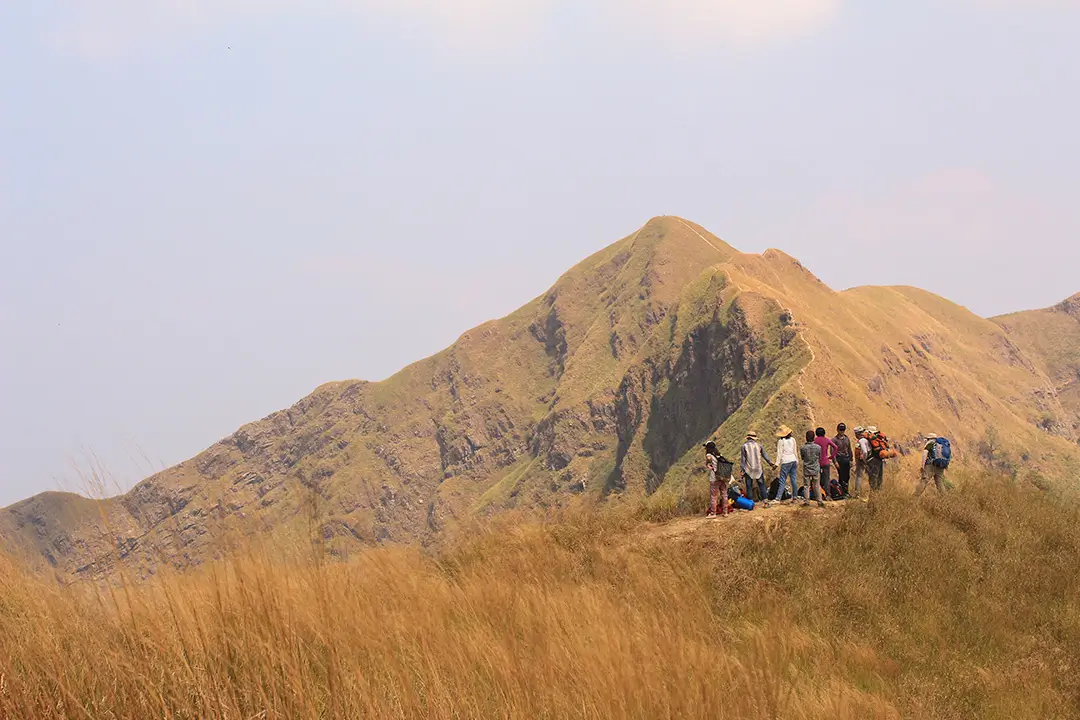
This trail kicks off in a wide, sweeping savanna. It gets pretty hot and sun-drenched early on, but Sembalun is your best bet if your main goal is reaching the actual summit as efficiently as possible. You’ll set up camp at the Sembalun Crater Rim before making your midnight summit attack.
2. The Senaru Route (Best for Lake Views & Shade)
If you prefer hiking under a lush, shady tropical rainforest canopy, Senaru is for you. The trail is steep and packed with massive tree roots, but it keeps you out of the blazing sun. It offers the most jaw dropping, postcard perfect views of Segara Anak Lake from the Senaru Crater Rim.
Quick Route Comparison
| Feature | Sembalun Route | Senaru Route |
| Terrain Style | Open savanna, hot, very sandy/scree summit ridge | Dense rainforest, shady, heavy tree roots |
| Difficulty | Moderate to Strenuous (The summit push is brutal) | Moderate to Strenuous (Constant steep incline) |
| Best Starting Point For | Reaching the $3,726m Summit | Sunset views & direct lake access |
| Avg. Time to Crater Rim | 6 – 7 Hours | 7 – 8 Hours |
Popular Rinjani Trekking Packages
Most local Trekking Organizers (TO) offer three classic options:
2 Days 1 Night (2D1N): Usually starts from Sembalun, heads straight to the rim, hits the summit at dawn, and heads all the way back down. It’s incredibly intense and requires peak physical fitness.
3 Days 2 Malam (3D2N) — The Sweet Spot: The absolute best way to experience Rinjani. You get to summit, hike down into the crater to swim in the hot springs, and camp on the other side of the rim before heading home.
4 Days 3 Nights (4D3M): A much more relaxed, casual pace. Perfect if you want to soak in the views, learn about the culture, and not rush your knees down the mountain.
How Much Does it Cost?
Trekking costs depend on whether you choose a shared open trip or a private tour.
National Park Entry Fees (TNGR): Around IDR 150,000 to IDR 250,000 per day for international visitors.
All Inclusive Packages (3D2N): Usually range from USD 150 to USD 300+ per person. This typically covers park tickets, accommodation, your guide and porter team, camping gear, awesome mountain meals, and transport transfers from the airport or harbor.
Training & Packing Essentials
Do not underestimate this mountain. The volcanic scree (loose sand/gravel) near the summit will test your patience and your calves.
Fitness Prep (1 Month Out):
Hit the cardio hard running, cycling, or stair-climbing on an incline.
Don’t skip leg day. Squats and lunges will save your knees on the descent.
Mandatory Packing List:
A real winter jacket: Temperatures at the crater rim and summit drop rapidly to 5°C to 0°C (41°F – 32°F).
Proper trekking shoes: Running shoes won’t cut it on the loose volcanic sand. You need good grip.
Trekking poles: Absolutely life saving for staying balanced on the scree and saving your joints on the way down.
A solid headlamp: Essential for the pitch black midnight scramble to the summit.
When is the Best Time to Climb?
The prime trekking window is during the Dry Season (April to October). The skies are clear, the trails are dry, and you’re practically guaranteed those epic, unobstructed horizon views.
Eco Note: Keep in mind that Mount Rinjani National Park closes completely from January 1st to March 31st every year due to severe monsoon weather and to allow the natural environment to heal.
The Verdict
Conquering Mount Rinjani alongside local guides from Senaru and Sembalun isn’t just about bagging another peak, it’s about supporting community driven, sustainable tourism. If you bring the right mindset, respect the local culture, pack out your trash, and prep your legs, this eco adventure will easily be one of the highlights of your travels.
Are you ready to tackle the Rinjani summit this year? Got questions about booking? Drop a comment below and let’s get you ready!