Packing for Mount Rinjani can be a bit of a balancing act. You need enough warm gear to survive freezing nights at the summit, but you don’t want to carry a massive, heavy pack up a steep volcano.
Fortunately, when you trek with a reputable tour operator, your porters will handle all the heavy lifting, including tents, sleeping bags, mats, toilet tents, cooking gear, food, and beverages.
Your only job is to pack a small daypack (maximum 10 kg / 22 lbs) with your personal essentials. Here is the ultimate, no nonsense checklist of what you should bring.
1. The Three Layer Clothing System (Quick Dry & Warm)
Weather on Rinjani shifts rapidly from hot tropical savannas to freezing, windy ridges. Cotton absorbs sweat and stays wet, which increases the risk of hypothermia. Instead, pack quick dry synthetic materials and follow the classic layering system:
Base Layer: A synthetic, moisture wicking short or long sleeve shirt to keep sweat away from your skin.
Middle Layer: A high quality fleece jacket or woolen pullover to trap your body heat.
Outer Layer: A thick, insulated, and windproof jacket to shield you from the howling mountain gales.
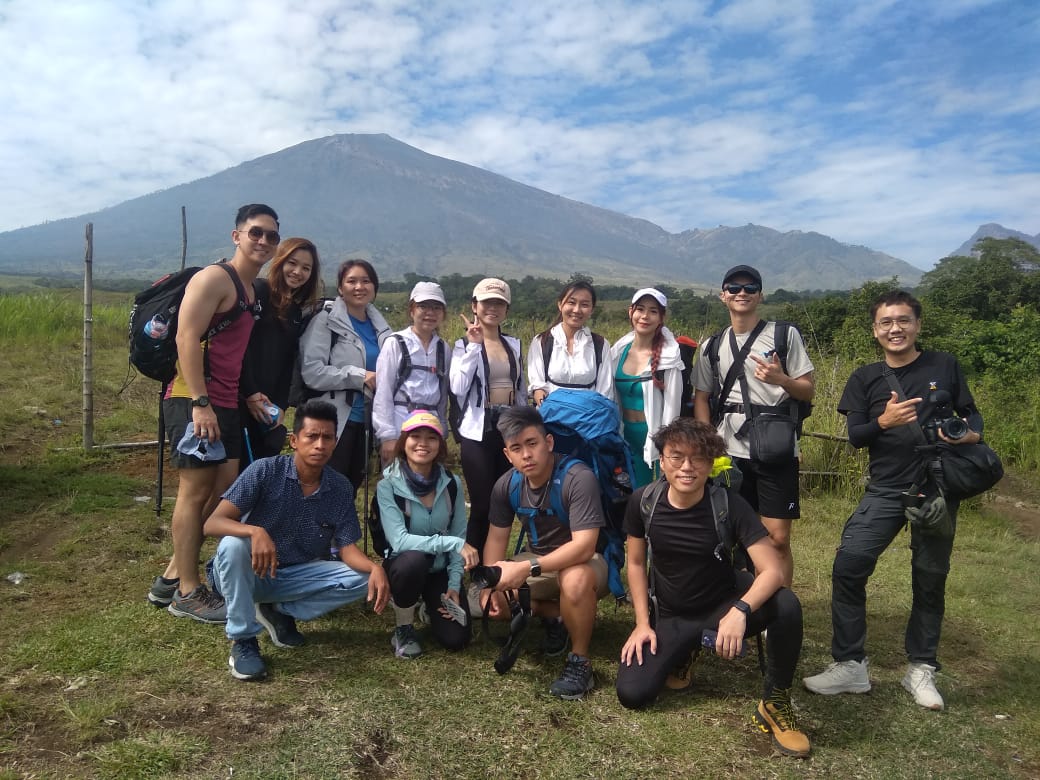
Trekking Pants: Waterproof and windproof trekking pants are highly desirable to keep you dry and flexible.
Cold Protection Extras: A pair of warm woolen gloves, a beanie (warm hat), and a scarf are absolute lifesavers during the frosty nights and sunrise push.
2. Proper Trekking Shoes (Ankle Support is Key)
Do not attempt Rinjani in regular lifestyle sneakers or gym shoes.
What to look for: Mid cut to high cut trekking shoes are highly preferred over low cut ones.
Why it matters: Higher shoes provide crucial ankle grip on steep slopes and prevent loose volcanic soil, dust, and pebbles from sliding inside your shoes on the descent.
3. Trekking Poles (Your Best Friend on the Summit)
If there is one piece of gear you shouldn’t skip, it is a pair of trekking poles.
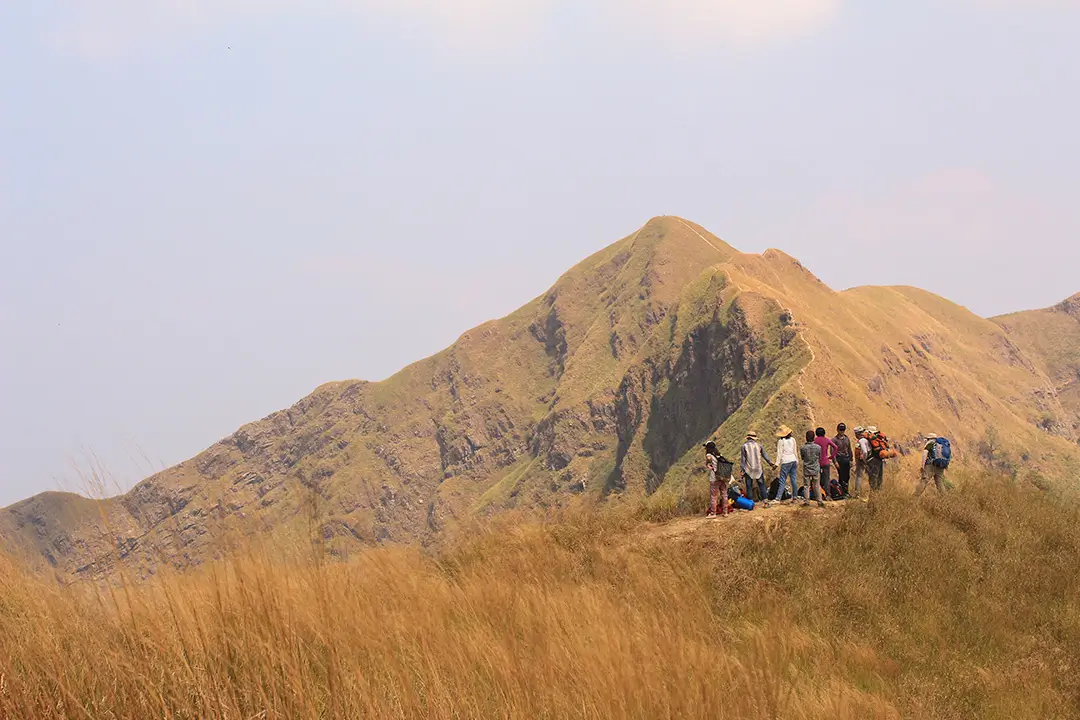
The terrain leading up to the 3,726m summit is incredibly steep and made of very fine, loose volcanic scree (gravel and sand).
For every two steps forward, you will likely slide one step back. Trekking poles give you the stability you need to push forward and prevent you from slipping down easily.
4. Personal Essentials & Electronics
Pack these remaining items neatly in your daypack to stay comfortable and powered up throughout the trek:
Health & Comfort:
Water Bottle: Reusable bottles are best to help minimize plastic waste on the mountain.
Sun Protection: A sunblock lotion, a wide brimmed hat or cap, and UV blocking sunglasses (the sun is intense above the clouds).
First Aid & Relief: Insect repellent and a muscle spray or warming balm to soothe aching legs at night.
Toiletries: Wet wipes, tissues, and personal hygiene products (remember to pack out used wipes!).
Electronics & Navigation:
Headlamp or Flashlight: A strong torch is mandatory since the summit trek begins in pitch black darkness around 2:00 AM.
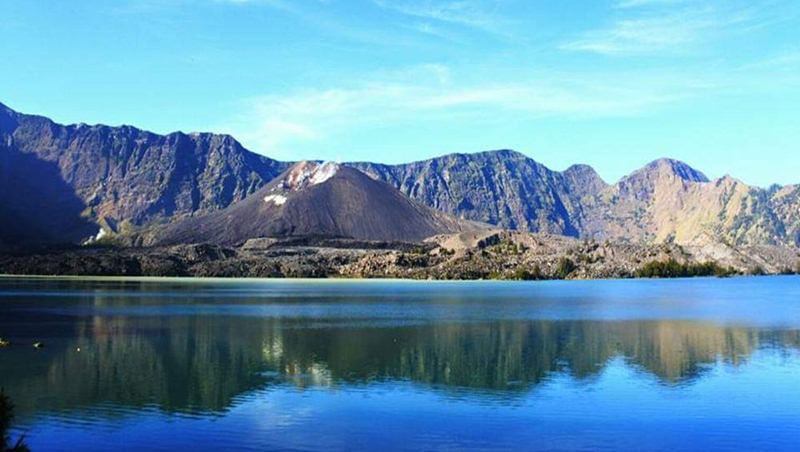
Camera & Mobile Phone: To capture the breathtaking views of Segara Anak Lake.
Power Bank: Cold mountain temperatures drain phone batteries quickly, bring a high capacity power bank to keep your gear alive.
Ready to Pack Your Bags?
By keeping your personal backpack under 10 kg and letting the porters handle the heavy camping infrastructure, you can focus on what really matters: enjoying one of the most beautiful volcanic treks on Earth.
Need to rent trekking poles or warm jackets in Senaru before your climb? Let us know in the comments or send us a message to secure your rental gear today!